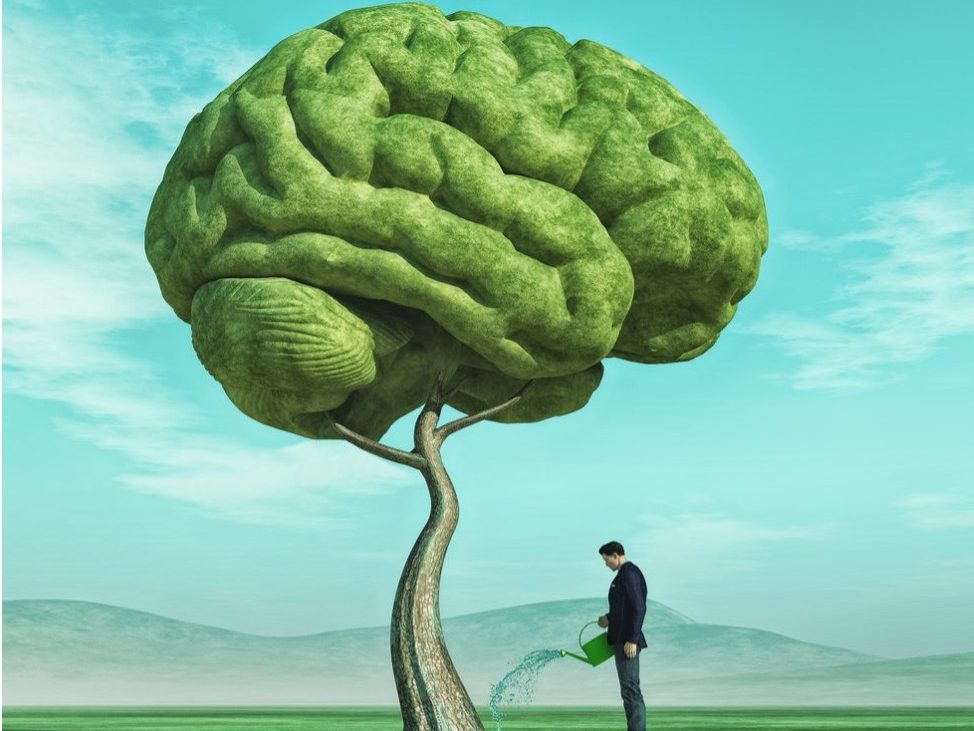
Risk and resilience in neurocognitive changes over the lifespan
Research in the lab focuses on the various factors that contribute to cognitive reserve (CR), the ability to maintain cognitive function in the face of age- or disease-related changes in brain structure and function. The aim of this work is to identify how factors such as diet, exercise, bilingualism, and socioeconomic status contribute to risk for and resilience against neurocognitive changes.
Role of disease history in neurocognitive function
Another line of research in the lab is investigating how different diseases, including cancer and COVID, affect brain and cognitive function. We use self-report questionnaires, computerized cognitive tests, and neuroimaging to test how disease history impacts cognition, including how it may change trajectories of cognitive aging over time. We are also interested in how cognitive reserve factors may protect cognitive function in the face of disease-related brain changes.
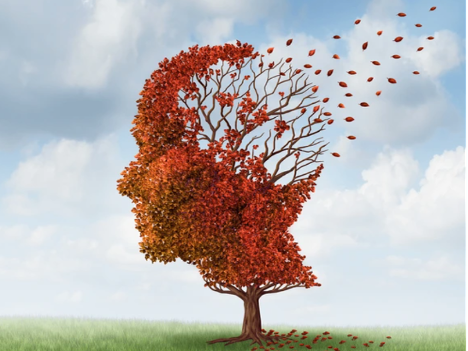

Effects of non-invasive brain stimulation on cognitive function
The lab is also focused on exploring the effects of transcranial direct current stimulation (tDCS), a form of non-invasive brain stimulation, on cognitive performance in healthy and clinical populations. We are particularly interested in examining individual differences that may account for wide variability in the effects of tDCS on memory and attention. The aim of this research is to better identify who may benefit from tDCS to improve cognitive decline.
 Cognition & Neuromodulation Lab